
Bridges in San Tan Valley, AZ
Fixed restorations that replace one or more missing teeth, restoring both the appearance and the function of your bite.
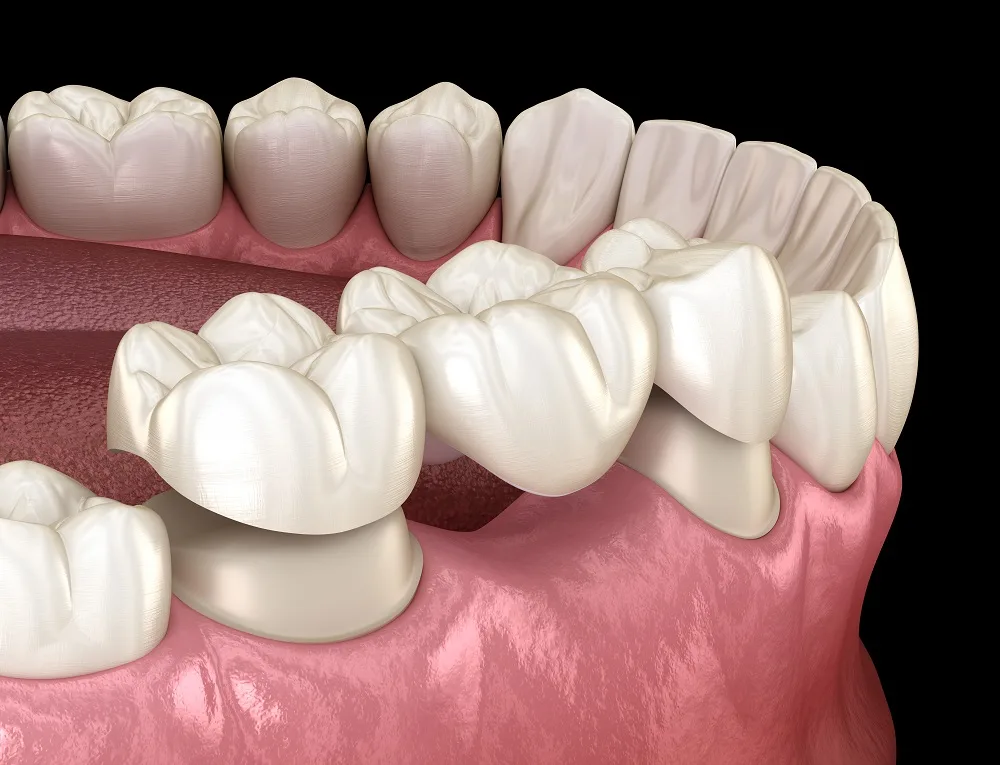
A bridge replaces a missing tooth by anchoring a replacement to the teeth on either side. It is fixed in place, so it functions and feels much closer to a natural tooth than a removable option.
About Dental Bridges
When your teeth are missing, it greatly affects your smile. At the same time, the missing tooth has the potential to negatively affect your oral hygiene because of unprotected gum exposure. Dental bridges are one of many options aimed at improving the appearance and function of your teeth by replacing the missing tooth or teeth. During your exam, we will discuss whether or not dental bridges are right for you.
- Fills the gap left by one or more missing teeth
- Fixed in place — not removable like a denture
- Restores chewing on that side of the mouth
- Stops neighbouring teeth drifting into the space
- Shade-matched to your surrounding teeth
Benefits of Replacing a Missing Tooth
A gap does not stay a tidy gap. The teeth either side gradually tilt into the space and the tooth above or below over-erupts because nothing is meeting it. Over time this changes how your bite comes together, which can lead to uneven wear and strain on the jaw joint. Filling the space early prevents that drift. There is a practical benefit to chewing. Most people with a missing back tooth quietly stop using that side, which puts extra load on the other. Restoring the tooth spreads the work evenly again. And there is the appearance and speech side — a missing tooth toward the front affects both, and a bridge addresses them together. The exposed gum in the gap is also harder to keep comfortable and clean, which the live page notes.
What to Expect
First, Dr. Gifford assesses whether a bridge is the right option for your particular gap. That depends on the condition of the teeth either side, the health of your gums and the supporting bone. A bridge relies on those neighbouring teeth, so they need to be sound enough to carry it — if they are not, another option may be better, and we will say so. If a bridge is appropriate, the supporting teeth are prepared to take crowns, and an impression or scan is taken. A temporary bridge protects the area while the permanent one is made at the lab, with the shade matched to your surrounding teeth. At the fitting appointment, fit and bite are checked carefully before the bridge is cemented. Cleaning underneath the replacement tooth is the one habit that changes — a floss threader or interdental brush gets under the span, and keeping that area clean is what determines how long the bridge lasts.
Common Questions
How long does a dental bridge last?
How do I clean under a bridge?
What are my alternatives to a bridge?
Does getting a bridge hurt?
Will the bridge look natural?
Terms You May Hear
- Bridge
- A fixed restoration that replaces one or more missing teeth by anchoring to the natural teeth on either side of the gap.
- Abutment Teeth
- The natural teeth on either side of a gap that support a bridge. They are prepared to take crowns as part of the restoration.
- Pontic
- The artificial tooth in a bridge that fills the gap. It rests against the gum but is not attached to it, which is why cleaning underneath matters.
Ready to Schedule Your Appointment?
Missing a tooth? Call (480) 581-7681 to talk through your options — gaps rarely stay simple if left alone.