
Intraoral Camera in San Tan Valley, AZ
A small camera that photographs the inside of your mouth, so you can see for yourself exactly what we are describing.
A camera small enough to photograph individual teeth, displayed on a screen beside you. It turns "you have a crack in this molar" from something you take on trust into something you can see.
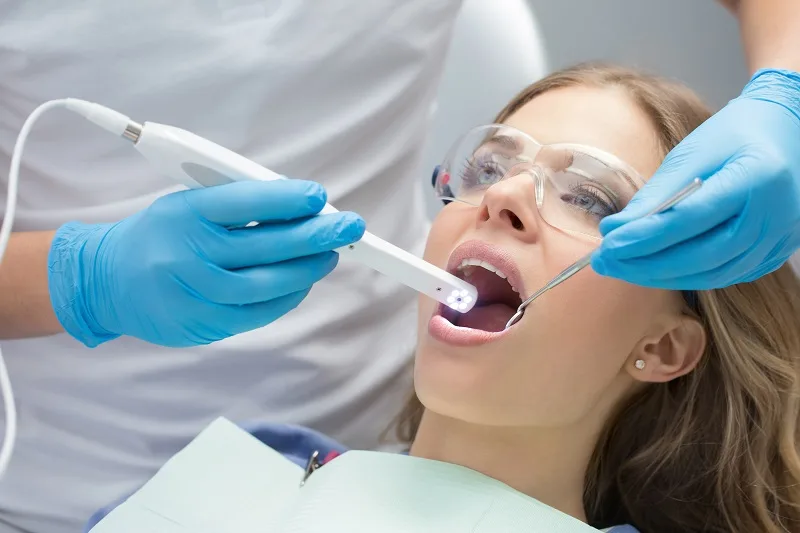
About the Intraoral Camera
We are dedicated to giving our patients the high quality care they deserve. We are proud to offer the latest technologies and equipment to keep their mouths healthy. One way we do this is by offering our patients the intraoral camera. They always say that a picture is worth a thousand words. We use our camera for just that reason. We can take a picture and show you what is going on with your mouth. You may not believe you have dental disease until you see the pictures. Our camera is also very helpful when we are tracking the disease's progress. We can take before and after pictures to determine if the treatment is working. We can see how far your mouth has come and determine if more treatment or a whole different type of treatment is needed. If you decide to get a complicated procedure, a picture may help you see what you really can't see otherwise.
- See exactly what we are describing, on screen
- Before and after images track whether treatment is working
- Makes treatment recommendations easy to understand
- Images can be shared with insurers or specialists
- Completely painless and takes moments
Why Seeing It Yourself Matters
Dentistry asks patients to accept a lot on trust. You cannot see the back of your own molars, so a recommendation for treatment is normally something you either believe or you do not. The camera removes that gap entirely — a cracked filling or an inflamed area of gum is obvious on screen even to someone with no dental training. That matters most for the education side of care, which is exactly what this practice emphasises. A patient who can see why a tooth needs attention is in a far better position to make an informed decision, and to decide about timing and priorities when there are several things to address. It is also genuinely useful for tracking change over time. Before and after images show whether a treatment or a change in home care is actually working, rather than relying on memory from six months ago.
How It Works
The camera is a small wand, about the size of a pen, with a light and lens at the tip. It is moved around inside your mouth to photograph individual teeth and areas of gum, and the images appear on a screen beside you. There is nothing uncomfortable about it — no radiation, no pressure, and it takes moments. It is often used alongside X-rays rather than instead of them, since the two show different things: the camera shows surfaces in detail, while X-rays show what is happening inside teeth and below the gums. Images are saved to your record, so they can be compared at future visits, shared with a specialist if you are referred, or submitted to an insurer where documentation is needed for a claim.
Common Questions
Does the intraoral camera hurt?
Why use a camera when you already take X-rays?
Can I get copies of the images?
Will I be able to understand what I am looking at?
Is it used at every appointment?
Terms You May Hear
- Intraoral Camera
- A small handheld camera used to photograph the inside of the mouth and display magnified images on a screen.
- Patient Education
- Explaining findings and options so a patient can make an informed decision about their own treatment.
- Documentation
- A clinical record of a condition, including images, used to track change over time and support insurance claims.
Ready to Schedule Your Appointment?
Want to actually see what is going on in your mouth? Ask at your next visit — we are glad to show you.