
Porcelain Crowns in San Tan Valley, AZ
Full-coverage restorations that rebuild and protect a damaged tooth while looking and functioning like a natural one.
A crown covers the whole tooth rather than part of it. When decay or damage is too extensive for a filling to hold, a crown is what keeps the tooth in service.
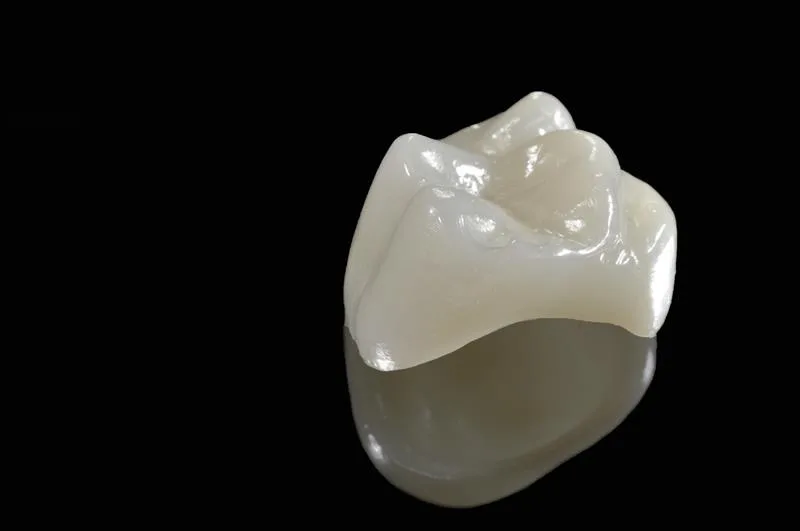
About Porcelain Crowns
Getting porcelain crowns is the best way to have a very natural looking smile. They are used when simply filling in a tooth is not an option. There are times when they decay is so bad that we just have to use a porcelain crown. We also use them with severely damaged teeth or teeth that have already had multiple fillings. Porcelain crowns are attached right to your teeth so that they can function, even when you bite something really hard! There are several types of porcelain crowns so it is important to discuss which type is best for you with your dentist.
- Restores a tooth too damaged for a filling
- Covers and protects the entire tooth
- Withstands normal chewing and biting force
- Several materials available — we discuss which suits you
- Commonly placed after root canal treatment
Benefits of a Crown
The main benefit is structural. A tooth that has lost a lot of its bulk to decay, fracture, or a series of ever-larger fillings is at real risk of splitting, and a split that runs below the gumline usually means losing the tooth. A crown holds everything together and takes the chewing load off the weakened structure. Porcelain also looks like a tooth. Modern materials reproduce the translucency of enamel closely enough that a well-made crown is hard to pick out, which matters for anything in the visible part of your smile. Crowns restore full function as well as appearance. Once fitted and adjusted, you eat normally — including on the crowned side, which is often the side people have been avoiding for months.
What to Expect
The tooth is numbed, and any decay or failing filling material is removed. The tooth is then shaped so the crown can fit over it — enough is reduced to make room for the crown's thickness, and the remaining structure is built up if necessary. An impression or digital scan is taken and sent to the lab with the shade selection, and a temporary crown protects the tooth in the meantime. Temporaries are more fragile than the final crown, so avoid sticky and very hard foods and floss carefully around it. At the second appointment the temporary comes off and the permanent crown is tried in. Fit, shade and bite are all checked before it is cemented. Expect it to feel slightly unfamiliar for a day or two while you get used to the new shape; if it feels high when you bite, call us for a quick adjustment rather than living with it.
Common Questions
How long does a crown last?
What are the different types of porcelain crowns?
Does getting a crown hurt?
Why do I need a crown after a root canal?
Can a crowned tooth still get a cavity?
Terms You May Hear
- Crown
- A restoration that covers the entire visible portion of a tooth, restoring its shape, size and strength.
- Tooth Preparation
- Reshaping a tooth so a crown can fit over it with the correct thickness and contour.
- Margin
- The line where the edge of a crown meets the natural tooth. Keeping this area clean is what prevents decay beneath a crown.
Ready to Schedule Your Appointment?
Have a tooth that keeps giving trouble? Call (480) 581-7681 — a crown often settles it for good.