
Teeth Whitening in San Tan Valley, AZ
Professional whitening that lifts staining from food, drink and time, brightening the shade of your natural teeth.
Whitening lightens the shade of your natural teeth by lifting the staining that food, drink and time leave behind. It is one of the simplest changes you can make to a smile.
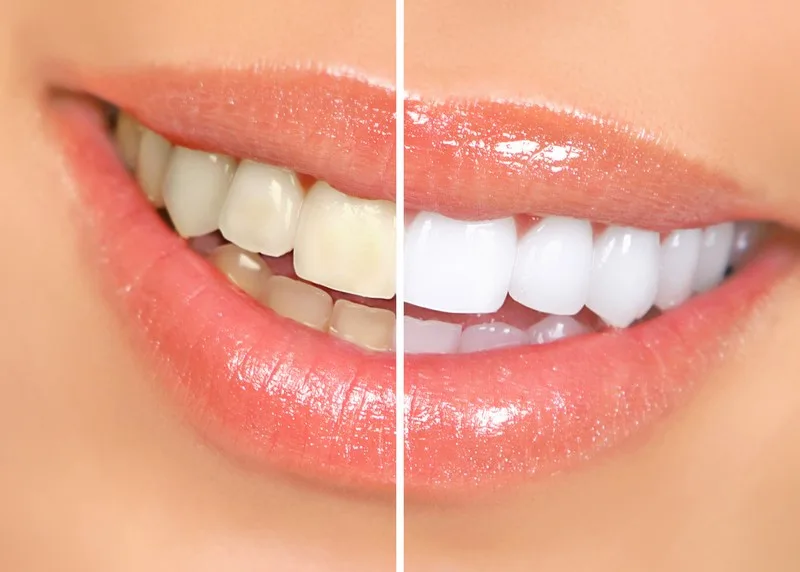
About Teeth Whitening
A common request we receive is how to make a smile whiter and brighter. This is a relatively simple and quick treatment option that can be performed periodically. Certain foods and beverages, such as wine and coffee, stain the teeth and contribute to discoloration. The teeth whitening process provides a solution that lightens the shade of the teeth. Additionally, the process actually rids the teeth of plaque and tartar that tend to lead to dental problems.
- Lifts staining from coffee, tea, wine and tobacco
- Professionally supervised, with your gums protected
- Can be repeated periodically to maintain the result
- Stronger and more predictable than store-bought kits
- Existing crowns and fillings assessed beforehand
Benefits of Professional Whitening
Professional whitening is stronger and more predictable than what you can buy over the counter, and it is supervised — your gums and any exposed root surfaces are protected, and the shade change is monitored rather than guessed at. It is also assessed first, which matters more than people expect. Whitening only works on natural tooth structure: it will not change crowns, veneers, bonding or fillings. If you have restorations in the visible part of your smile, whitening the surrounding teeth without planning for that leaves a shade mismatch. Checking beforehand avoids an expensive surprise. Not all discoloration is treatable this way either. Surface staining from food and drink responds well; deep internal discoloration from trauma or certain medications generally does not, and veneers or bonding are the better route. An honest assessment saves you paying for a result that was never achievable.
What to Expect
A cleaning and exam comes first. Whitening applied over plaque and tartar gives patchy results, and any untreated decay or gum inflammation should be dealt with before a bleaching agent goes anywhere near it. Dr. Gifford records your current shade so the change is measurable rather than a matter of impression. Your gums and soft tissues are isolated and protected, and the whitening agent is applied to the teeth. Temporary sensitivity to cold is the most common side effect and usually settles within a day or two. For the first 48 hours, teeth are more prone to picking up stain, so go easy on coffee, tea, red wine, dark sauces and tobacco. Whitening is not permanent — the shade gradually drifts back as new staining accumulates, so it can be repeated periodically.
Common Questions
How long do the results last?
Will whitening work on my crowns or fillings?
Does whitening damage enamel?
Why are my teeth sensitive afterward?
Is professional whitening better than strips from the pharmacy?
Terms You May Hear
- Extrinsic Staining
- Discoloration on the outer surface of the tooth from food, drink and tobacco. This is the type that responds well to whitening.
- Intrinsic Staining
- Discoloration originating inside the tooth, from trauma, certain medications or aging. It generally does not respond to whitening.
- Shade Guide
- A reference set of tooth colors used to record your starting shade and measure the change achieved.
Ready to Schedule Your Appointment?
Want a brighter smile for an occasion coming up? Call (480) 581-7681 and give yourself a little lead time.