
Root Canals in San Tan Valley, AZ
Treatment that removes infection from inside a tooth, relieving pain and saving a tooth that would otherwise need to be removed.
A root canal treats infection inside the tooth. Despite its reputation, the procedure relieves pain rather than causing it — the pain people associate with root canals is the infection that made one necessary.
About Root Canal Treatment
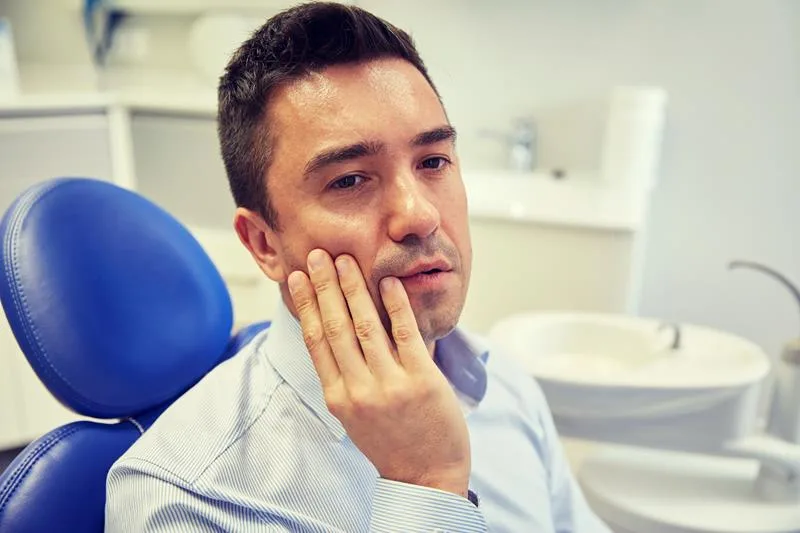
Root canals are needed when decay and bacteria spread for too long without treatment. At a certain point, this decay makes it to the pulp inside the tooth. This pulp includes nerves, therefore infection generally causes a lot of pain. Since this is happening on the inside of the tooth, you won't necessarily see the damage. Instead, you could feel it through pain and notice other signs that include bleeding, swelling and bad breath.
- Relieves the pain caused by an infected tooth
- Saves a natural tooth that would otherwise be lost
- Removes infection before it spreads further
- Usually restored afterward with a crown for strength
- Sedation available for anxious patients
Benefits of Root Canal Treatment
The first benefit is relief. An infected pulp produces some of the most severe pain in dentistry, and removing the infected tissue addresses the cause directly rather than masking it. The second is that it saves the tooth. The alternative to a root canal is extraction, and losing a tooth starts a chain of consequences: neighbouring teeth drift into the gap, the opposing tooth over-erupts, chewing shifts to the other side, and bone in the area gradually recedes. Replacing a missing tooth is more involved and more expensive than keeping the original. There is also an infection-control benefit. An untreated infected tooth can develop an abscess and spread into surrounding bone and soft tissue, which is a genuinely serious problem rather than just a painful one.
What to Expect
The tooth is numbed thoroughly first — this is the step patients worry about most, and it is the step that makes the rest comfortable. Dr. Gifford then makes a small opening in the tooth to reach the pulp chamber. The infected pulp is removed, and the canals inside the roots are cleaned, shaped and disinfected. Once clean, they are sealed with a filling material to prevent bacteria re-entering, and the opening is closed. Because a tooth that has had a root canal is more brittle than a living one, it usually needs a crown afterward to protect it from fracturing under chewing forces. Dr. Gifford will discuss timing for that. Mild tenderness for a few days after treatment is normal and typically settles with over-the-counter pain relief.
Common Questions
Is a root canal painful?
How do I know if I need a root canal?
Why do I need a crown afterward?
Can I just have the tooth pulled instead?
How long does a root canal take?
Terms You May Hear
- Pulp
- The soft tissue inside a tooth containing nerves and blood vessels. When bacteria reach it, infection and severe pain typically follow.
- Abscess
- A pocket of infection at the root of a tooth or in surrounding bone, often causing swelling and severe pain. It requires prompt treatment.
- Endodontics
- The area of dentistry concerned with the inside of the tooth — the pulp and root canals. Root canal treatment is an endodontic procedure.
Ready to Schedule Your Appointment?
In pain? Call (480) 581-7681. Tooth pain rarely resolves on its own and is usually easier to treat sooner.