
Preventative Dentistry in San Tan Valley, AZ
The daily habits and routine care that keep small problems from ever becoming big ones — brushing technique, flossing, and consistent professional visits.
Preventative dentistry is the least dramatic and most valuable part of what we do. Done consistently, it is what keeps you out of the chair for anything more involved.
About Preventative Dentistry
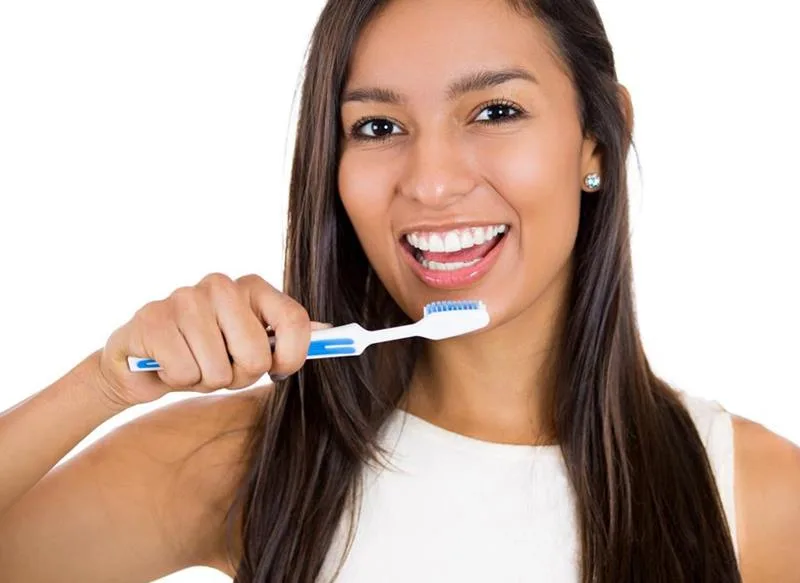
It is important to brush your teeth at least twice daily to help remove plaque and food particles that get stuck to your teeth. It is recommended that you brush your teeth for two minutes (or longer), though most people rush through this time. You need to make sure that you reach every side of each tooth, including the inside and outside. To help keep your breath fresh, you should also brush your tongue. Then, you can begin flossing.
- Brushing technique that actually reaches every tooth surface
- Flossing guidance for the areas a brush cannot clean
- Professional cleanings on an interval that suits your mouth
- Fluoride and sealants where they add protection
- Early detection before treatment becomes necessary
Benefits of Preventative Care
Prevention is cheaper, faster and more comfortable than treatment, in that order. A sealant takes minutes and protects a tooth for years. The filling that sealant prevents takes longer, costs more and involves removing part of the tooth permanently — and a tooth, once drilled, is never quite the same again. It also compounds. Patients who keep on top of prevention arrive at fifty with most of their original tooth structure intact. Patients who do not tend to be managing the consequences of the same handful of teeth for decades. For anxious patients in particular, prevention is the whole game. Every problem avoided is an appointment avoided, and short uneventful visits are what gradually make dentistry feel ordinary again.
How to Get It Right at Home
Two minutes, twice a day, is the standard — and most people fall well short of it without realising. Try timing yourself once; the gap between how long brushing feels and how long it actually takes is usually surprising. Angle the brush slightly toward the gumline rather than scrubbing straight across, and work in small sections so every surface gets attention: outer, inner and chewing. The inner surfaces of the lower front teeth and the outer surfaces of the upper molars are the spots most commonly missed. Flossing reaches the roughly one third of each tooth's surface that a brush physically cannot. If traditional floss is awkward, floss picks or a water flosser used consistently beat perfect technique used rarely. Ask us to check your technique at your next visit — it is far easier to demonstrate than to describe.
Common Questions
Is an electric toothbrush better than a manual one?
Do I really need to floss if I brush well?
How hard should I brush?
Does mouthwash replace brushing or flossing?
When should I replace my toothbrush?
Terms You May Hear
- Preventative Dentistry
- Care aimed at stopping dental disease from developing, rather than treating it after the fact — cleanings, exams, sealants, fluoride and home hygiene.
- Fluoride
- A mineral that strengthens enamel and helps it resist acid attack from bacteria. Applied topically in the office and present in most toothpaste.
- Interdental Cleaning
- Cleaning between the teeth with floss, picks or a water flosser, reaching surfaces a toothbrush cannot.
Ready to Schedule Your Appointment?
Want a straight answer on whether your home routine is working? Ask at your next visit — we will show you, not just tell you.